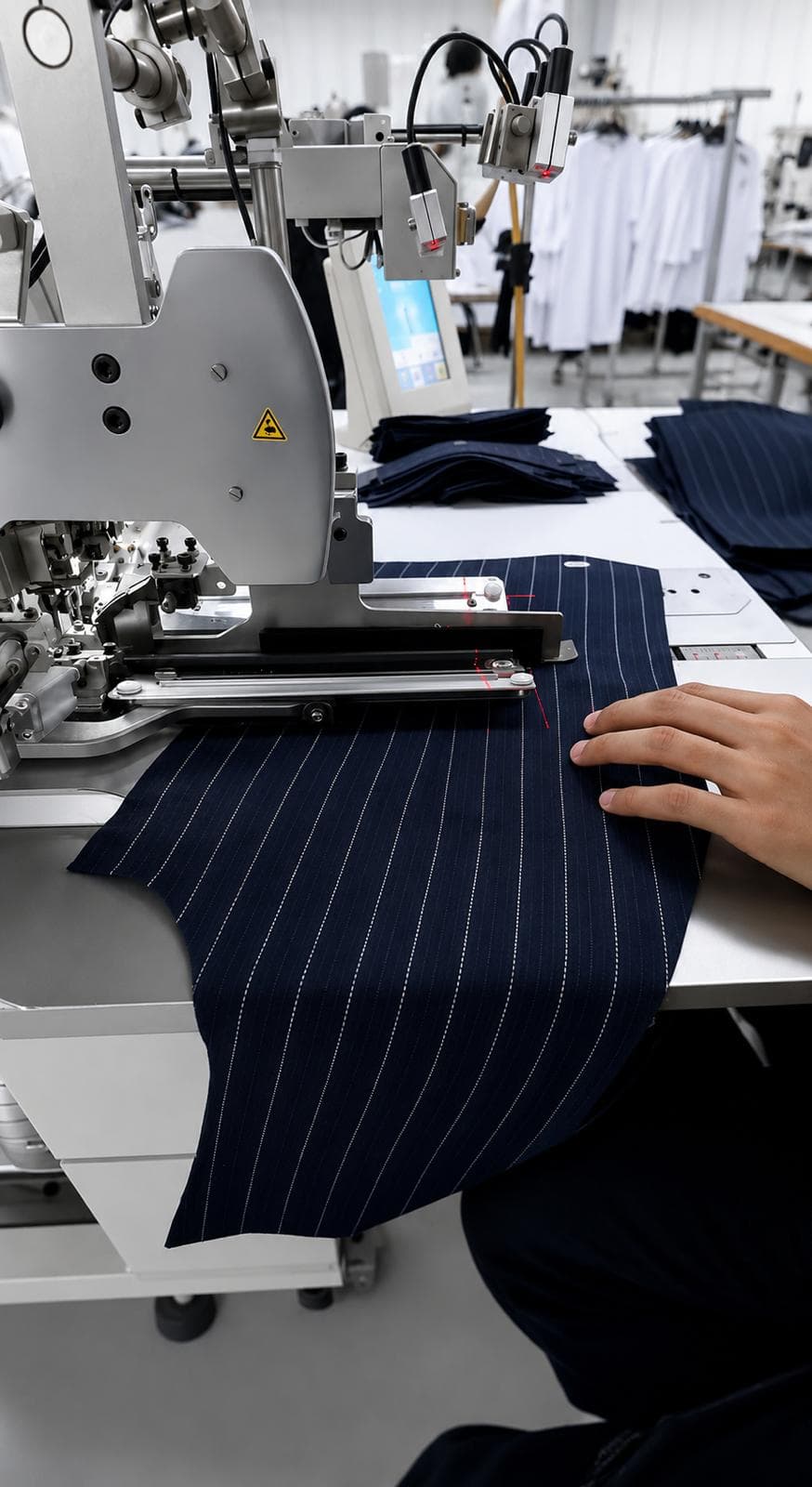
Made in Egypt · Built for international brands
Private-label clothing manufacturing in Egypt
Kemora is an Egypt-based clothing development and manufacturing partner for new and established fashion brands. We manage fabric sourcing, sampling and production through certified partner factories, with quality control, your brand’s labels, packaging and international shipping support.
MOQ starts from 50 pieces per colour for suitable styles. Send a reference photo, sketch, sample or tech pack and we will turn it into a clear production brief.
- MOQ from 50 pieces per colour
- Certified partner factories
- High production capacity
- International shipping support
The work speaks
From a brief. Into the world.
 Selected Project Work
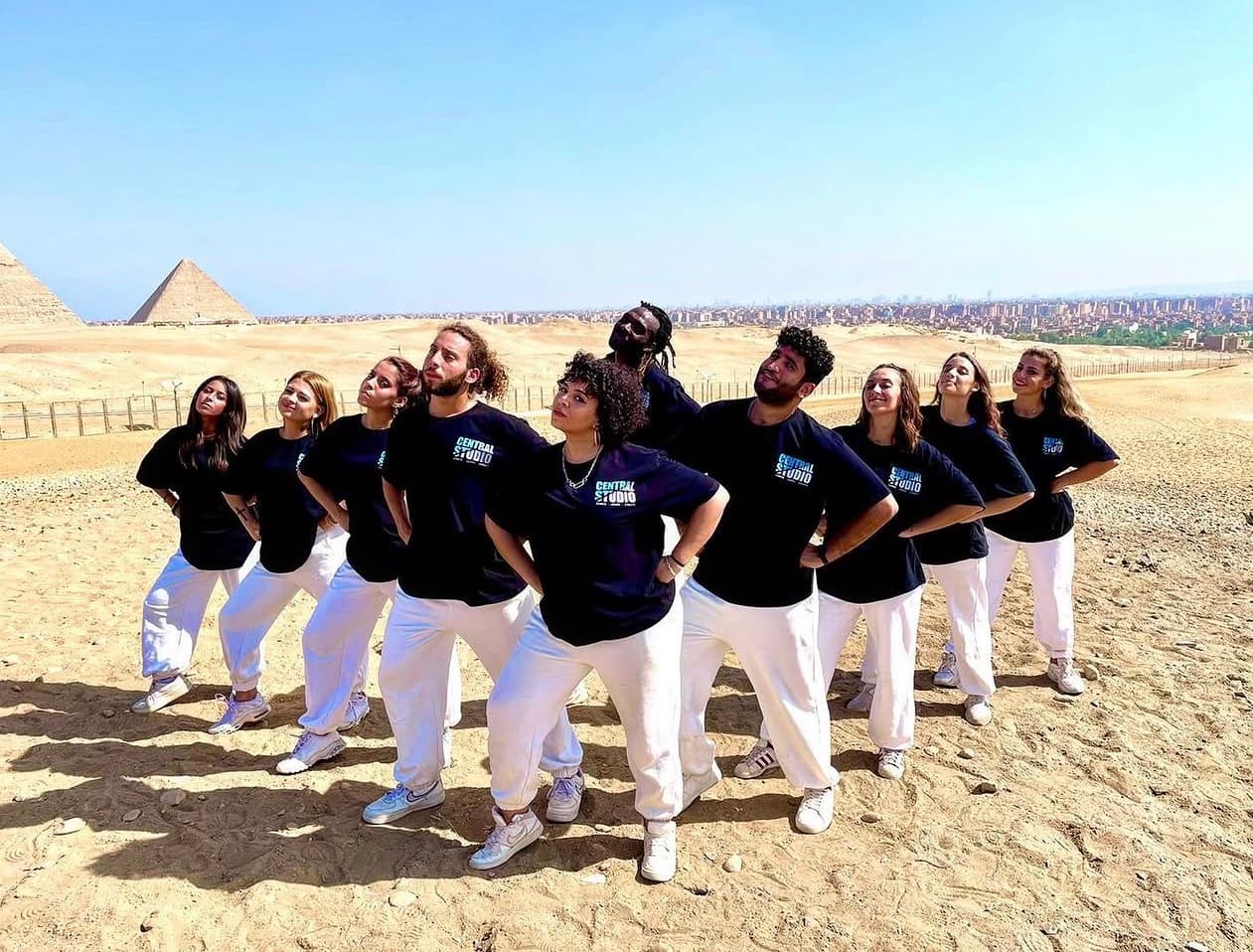
Central Studio — team merchandise
Custom printed T-shirts produced for Central Studio and worn by the team at the Giza pyramids.
 Selected Project Work
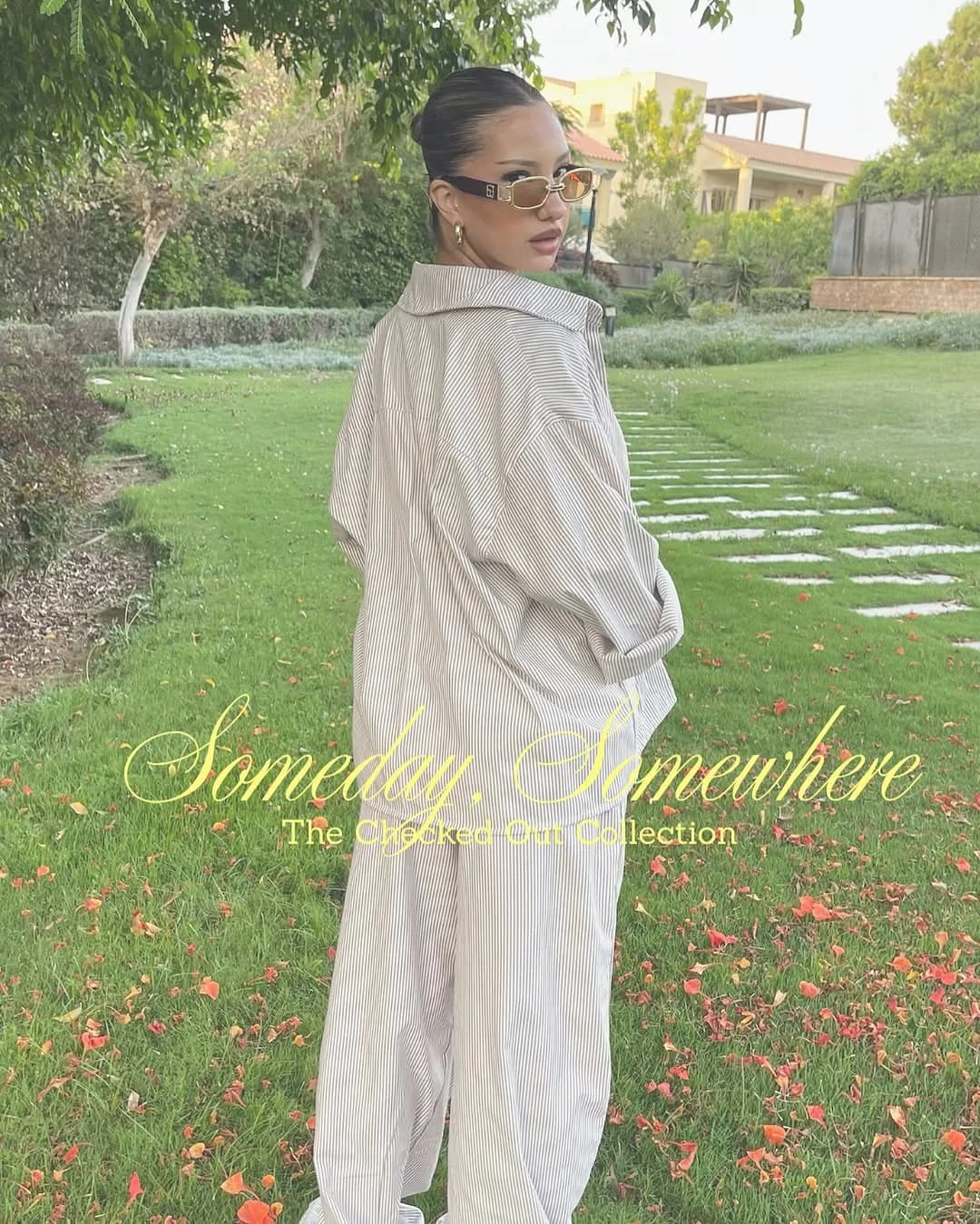
Meejhu — Checked Out collection
Striped shirt and trouser set produced as completed project work for the Checked Out collection.
 Selected Project Work
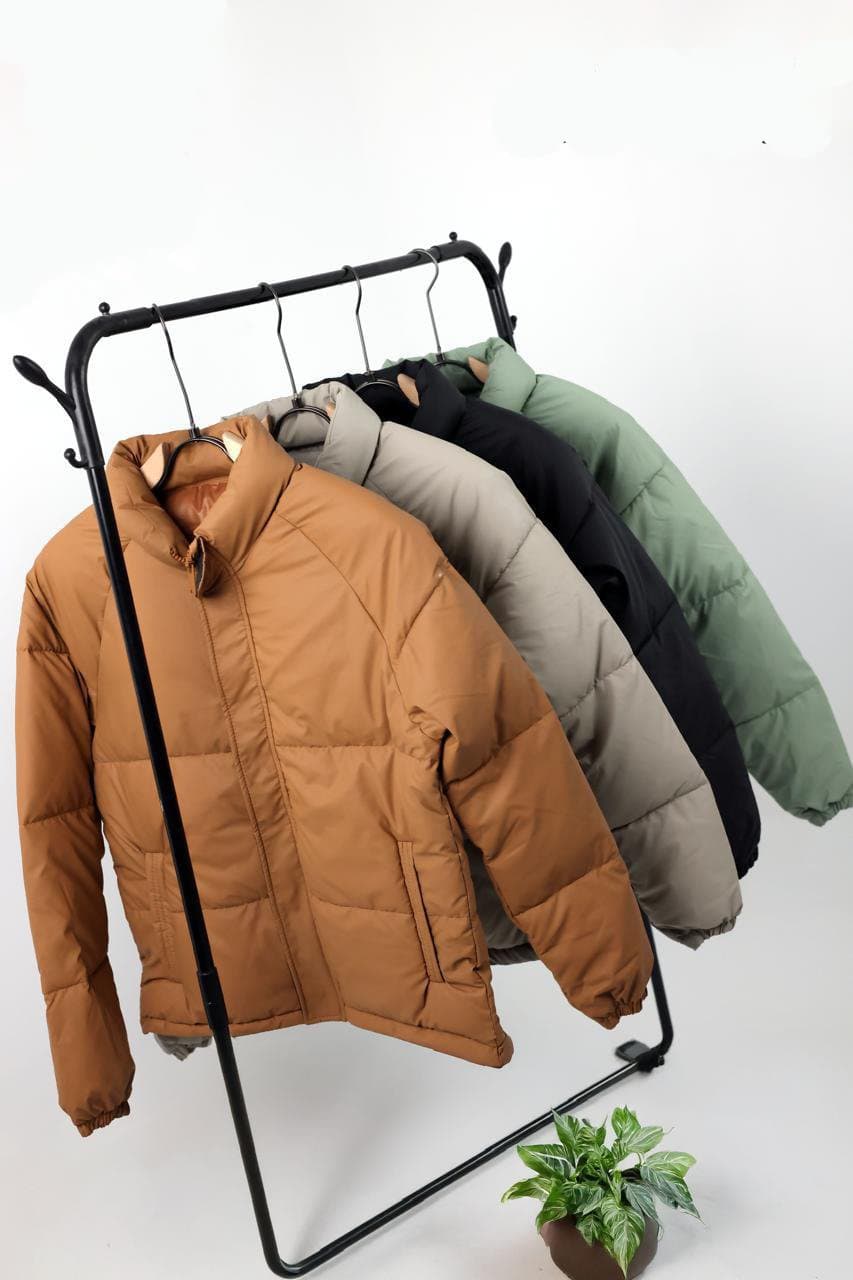
Puffer jacket colourways
Quilted puffer jackets produced as completed project work in multiple colourways with stand collar and zip front.
Kemora respects client confidentiality. Certain brand names, designs and project details are not publicly disclosed unless permission has been granted.
A clear way forward
Your label. One partner. Every step connected.
We connect product development, sourcing, sampling and the right production partners. You work with one team that keeps the whole process moving.
Develop the idea
Start with a photo or sketch. We work through the fabric, fit and construction with you.
02Perfect the sample
See and approve a physical sample before your collection moves into bulk production.
03Make it yours
Production under your label, with quality follow-up, branded packaging and shipping coordination.
Made for your collection
Everyday essentials. Distinctly your own.
From everyday tees and streetwear to womenswear and uniforms. Each piece is developed around your brief.
Production capability depends on the fabric, construction, finishing, quantity and individual project requirements.
Beyond the collection
Manufacturing by Kemora. Technology by WhyTech.
Kemora can bring your products to life. Through our collaboration with WhyTech, you can also build the digital world around your brand — from the first website to the systems that support growth.
A preferred offer for Kemora brands
Eligible brands referred through Kemora receive preferential WhyTech partner pricing. Final conditions are confirmed after the project scope and referral are discussed.
Visit WhyTech · opens in a new tab
Our independent technology partner
WhyTech.
Need a website, online store or a system to run your brand? Discuss your requirements directly with the WhyTech team and mention your Kemora referral.
- Brand and e-commerce websites
- Custom web and mobile applications
- Business systems and integrations
- AI assistants and workflow automation
FAQ
Common questions
What is private label manufacturing?
It means the garments are produced to your brand’s own designs and specification, and sold under your brand. Kemora does not sell a ready-made factory collection — nothing is produced until you have approved what it should be.
Can I send a photo instead of a tech pack?
Yes. A photo, a sketch or an existing garment is enough to start. A tech pack makes things faster but it is not required, and most first-time brands do not have one.
What is the minimum order quantity?
MOQ starts from 50 pieces per colour for suitable styles. Final MOQ depends on the product, fabric, construction, number of colours, finishing and sourcing requirements.
How long does a sample take?
Sample lead time is confirmed after reviewing the design and production requirements.
Do you work with brands that are just starting?
Yes. A significant part of our work is first collections. We will tell you honestly if a product or quantity is not realistic to produce, rather than taking the order and disappointing you later.
Will you show my designs to anyone else?
No. Client designs and project details are confidential, and we do not publish brand names or designs without written permission.
Do you work with certified factories?
Kemora works only with partner factories that hold relevant certifications. The applicable facility, certification scope and supporting documents are confirmed during project qualification.
Where can you ship?
We serve international clients and coordinate shipping to Europe, the UK, the USA, the Middle East and other markets where feasible. Method, cost, documentation and timing are confirmed per shipment.
Ready to develop your collection?
Share your idea, sketch or reference images. We’ll help you understand the next step.